Preserved solidago is a long-lasting botanical element valued for its airy texture, fine branching, and natural movement.
It is used a lot in floral arrangements, interior décor, and decorative installations, where it brings softness and visual depth without overwhelming a design.
Its delicate flowering structure makes it ideal for contemporary and rustic styling, offering designers a versatile foliage-flower hybrid that retains its beauty over time.
Recognised for its cloud-like flowering sprays and fine stems, this plant has become popular in preserved floral design, particularly for professionals seeking movement and softness without fragility.
Rather than dominating an arrangement, solidago acts as a connector, bridging focal flowers, softening transitions, and adding a natural rhythm to compositions.
Its preserved form allows designers to work with the same visual qualities found in fresh material, but with consistency and durability that suit modern interiors and long-term installations.
We will explore what makes solidago such a valued botanical in preserved collections, how it is used across design disciplines, and why it continues to grow in popularity among florists, stylists, and architects.
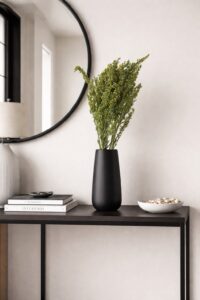
Understanding Solidago as a Botanical Element
Solidago, often recognised by its small clustered blooms arranged along branching stems, has an inherently light and expansive structure.
The plant’s form creates volume without heaviness, making it especially useful in layered designs where depth is essential but visual clutter is not.
Unlike bold focal flowers, solidago functions as a supporting element that enhances composition rather than competing for attention.
This characteristic explains its long-standing use in floral work, both traditional and contemporary.
When preserved, its branching stems, tiny blossoms, and soft movement are maintained, allowing it to perform the same aesthetic role over time.
Visual Characteristics that Designers value
One of the main reasons solidago remains relevant in preserved collections is its distinctive visual language.
Key aesthetic qualities include :
-
Fine, branching stems that add structure without rigidity
-
Small, clustered blooms that create a soft, mist-like effect
-
A natural sense of movement, even when static
-
The ability to fill space without adding visual weight
These traits make it particularly effective in designs that aim to feel organic, balanced, and refined rather than dense or overly formal.
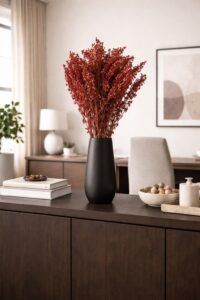 Applications in Preserved Floral Arrangements
In preserved floral design, solidago is rarely used alone.
Instead, it works best as a textural companion, enhancing other elements in the arrangement.
It is commonly incorporated into :
-
Decorative bouquets and centrepieces
-
Long-lasting home décor compositions
-
Floral installations for hospitality and retail spaces
-
Event arrangements requiring visual consistency over time
Its role is often subtle but essential.
By softening transitions between larger flowers or foliage, it helps compositions feel complete and visually harmonious.
Use in Interior Styling and Decorative Spaces
Beyond traditional floral arrangements, preserved solidago has found a natural place in interior styling.
Designers increasingly favour botanical elements that provide warmth and texture while requiring no maintenance.
Solidago works especially well in :
-
Neutral interiors that benefit from gentle contrast
-
Rustic or natural-inspired spaces
-
Contemporary settings where organic textures soften clean lines
-
Shelving, consoles, and decorative vessels
Because of its airy nature, it pairs beautifully with ceramics, wood, stone, and woven materials, enhancing interior schemes without overpowering them.
A Valuable Element in Green Wall and Vertical Design
In preserved green walls and decorative panels, texture is just as important as colour.
Solidago contributes a light, flowering layer that breaks up denser foliage and introduces visual movement.
When integrated thoughtfully, it :
-
Adds depth to vertical compositions
-
Creates contrast against mosses and broad-leaf materials
-
Prevents large installations from appearing flat or uniform
For architects and designers, this ability to introduce softness at scale makes it a useful botanical accent in preserved vertical gardens.
Design Styles that benefit from Solidago
Solidago’s understated elegance allows it to adapt to a wide range of design aesthetics.
It is particularly effective in :
-
Natural and botanical-inspired interiors
-
Mediterranean and countryside styles
-
Modern organic design
-
Minimalist spaces that rely on texture rather than colour
Its flexibility explains why it appears in both classic floral compositions and modern architectural installations.
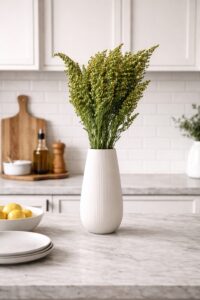
Why Preserved Solidago Works So Well in Long-Term Design
From a professional standpoint, preserved botanicals must meet more than aesthetic criteria.
They need to offer reliability, consistency, and longevity.
Solidago performs well because :
-
Its fine structure holds its shape over time
-
It maintains visual lightness without becoming brittle
-
It integrates easily with other preserved materials
-
It remains relevant across changing interior trends
These qualities make it a dependable choice for designers working on long-term projects where visual integrity is essential.
Pairing Solidago with Other Preserved Botanicals
One of solidago’s strengths is its compatibility.
It complements both flowering and foliage elements without competing for dominance.
Common pairings include :
-
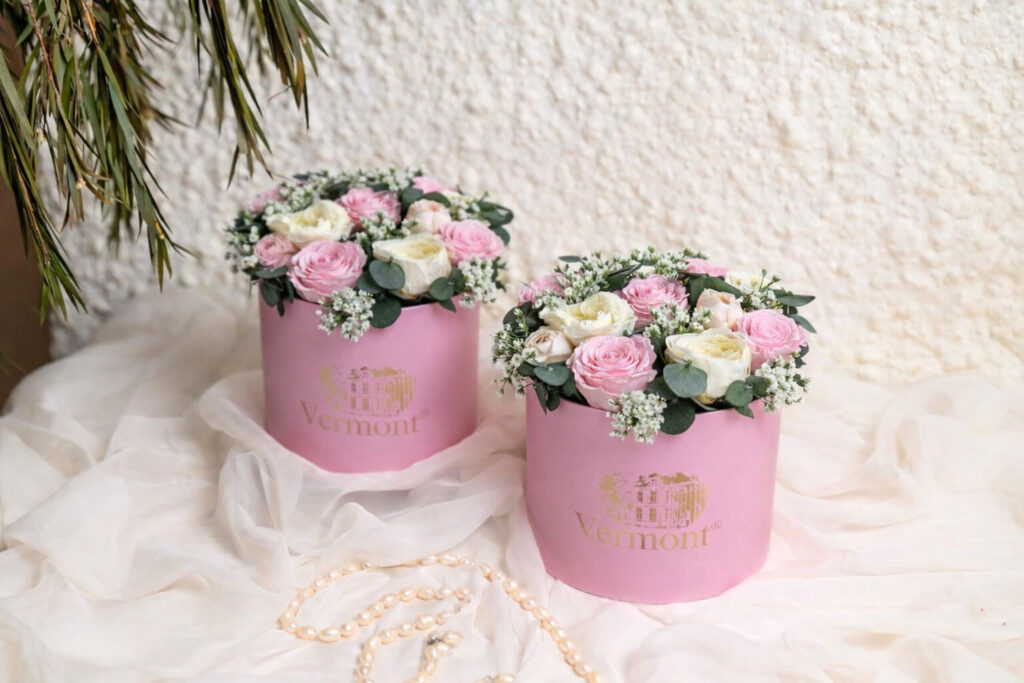
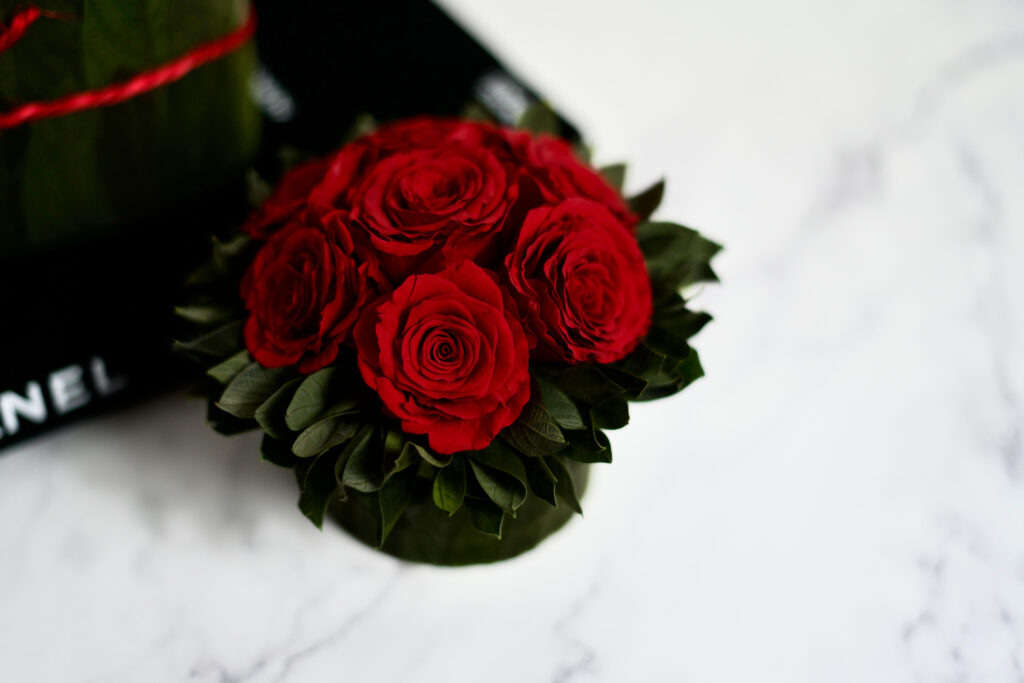
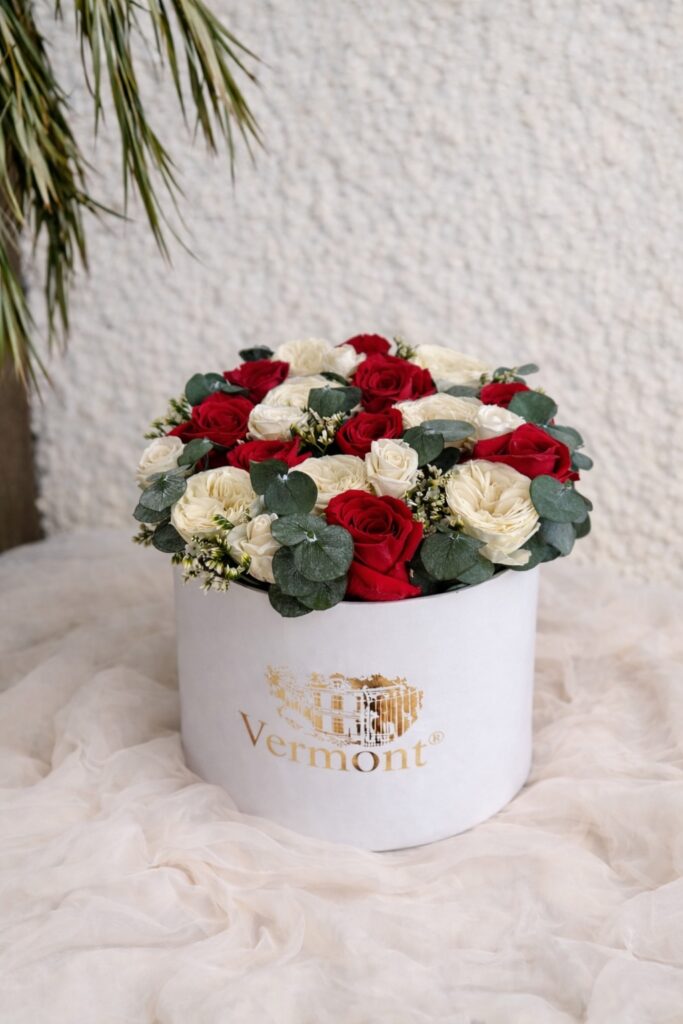
Preserved roses for contrast between structure and softness
-
Hydrangeas to balance volume with airiness
-
Eucalyptus for texture and tonal harmony
-
Ferns and leafy materials for layered depth
Used thoughtfully, solidago enhances these materials rather than drawing attention away from them.
A Botanical with Global Roots
While its origins span several regions and climates, solidago’s appeal in preserved design is less about geography and more about form and function.
Its universal aesthetic allows it to integrate seamlessly into diverse cultural and design contexts, from European interiors to contemporary global projects.
This adaptability has contributed to its continued use across markets and design disciplines.
The Enduring Appeal of Solidago in Preserved Collections
Trends in interior and floral design increasingly favour materials that feel natural, tactile, and timeless.
Solidago fits squarely within this movement.
Its preserved form offers :
-
A botanical look without seasonal constraints
-
Consistent appearance across multiple installations
-
A subtle way to introduce nature into built environments
Rather than acting as a statement piece, it supports and elevates the overall design narrative.
Preserved solidago may not be the most dramatic element in a composition, but its importance should not be underestimated.
Through texture, movement, and balance, it plays a crucial supporting role in floral arrangements, interior décor, and green installations.
For designers and stylists who seek materials that deliver quiet sophistication and lasting beauty, solidago remains a reliable and inspiring choice that enhances spaces subtly and naturally.