Preserved carnations are real carnation flowers (Dianthus caryophyllus) valued for their ruffled petals, rich symbolism, and long-lasting decorative appeal.
Originally native to the Mediterranean region, these flowers have been cultivated for over 2,000 years and remain one of the most versatile flowers used in floral design and interior décor today.
Preserved carnations are gaining renewed attention in the world of interior décor, floral design, and sustainable decoration.
Known botanically as Dianthus caryophyllus, they are among the oldest cultivated flowers in human history.
When preserved, they retain their iconic ruffled petals, vibrant colours, and symbolic meaning, offering a long-lasting alternative to fresh blooms while maintaining a natural appearance.
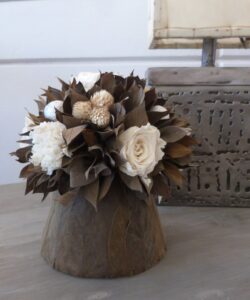 Botanical Identity (Dianthus caryophyllus)
Carnations belong to the genus Dianthus, a name derived from the Greek words dios (god) and anthos (flower), often translated as “flower of the gods.”
This poetic name reflects the flower’s long-standing importance in rituals, ceremonies, and ornamental horticulture.
The species Dianthus caryophyllus is characterized by :
-
Soft yet structured stems
-
Frilled, layered petals
-
A naturally elegant and symmetrical bloom shape
-
Excellent colour absorption, making it ideal for preserved floral applications
These botanical qualities are precisely why these ruffled blooms perform exceptionally well as preserved flowers, maintaining their structure and aesthetic appeal over time.
Origin and Native Countries
Carnations are native to the Mediterranean region, with historical records tracing their presence to :
-
Southern Europe
-
North Africa
-
Parts of Western Asia
Wild carnations were commonly found in coastal regions and rocky terrains, thriving in mild climates with good drainage.
Over centuries, the flower spread through trade routes into Asia and later into the rest of Europe, where selective cultivation led to the wide variety we recognise today.
By the Middle Ages, they were widely cultivated in :
-
Italy
-
Spain
-
France
-
The Netherlands
These countries played a key role in developing the blooms for ornamental use, a legacy that continues today in both fresh and preserved flower industries.
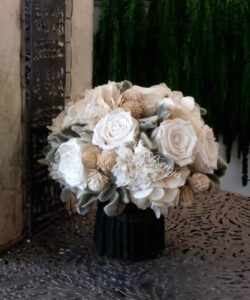 A Flower Steeped in History and Symbolism
Carnations have been cultivated for over 2,000 years, making them one of the oldest known ornamental flowers.
Throughout history, they have carried powerful symbolic meanings across cultures :
Ancient Times
In ancient Greece and Rome, carnations were used in:
-
Ceremonial crowns
-
Religious offerings
-
Decorative garlands for festivals
They symbolised admiration, devotion, and divine love.
Christian and European Traditions
In Christian iconography, carnations often appear in religious paintings, symbolising :
-
Pure love
-
Maternal devotion
-
Sacrifice
During the Renaissance, carnations became a popular subject in still-life paintings, admired for their intricate petal structure and symbolic depth.
Modern Symbolism
Today, carnations remain one of the most symbolically versatile flowers :
-
Red : love and admiration
-
White : purity and remembrance
-
Pink : gratitude and affection
-
Green and dyed : innovation, modernity, and creativity
Preserved carnations allow these meanings to endure visually for months or even years.
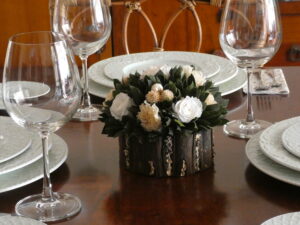
Varieties Used for Preservation
Several carnation varieties are particularly well suited for preservation due to their petal density and structural strength :
-
Standard – large blooms with full, ruffled petals
-
Spray stems – multiple smaller blooms per stem, ideal for arrangements
-
Mini – delicate flowers perfect for detailed designs
Our preserved carnations are available in :
-
Natural tones (white, cream, light pink)
-
Deep classic colours (red, pink)
-
Contemporary shades (green, black, custom-dyed colours)
This wide colour palette makes them highly adaptable for both classic and modern design concepts.
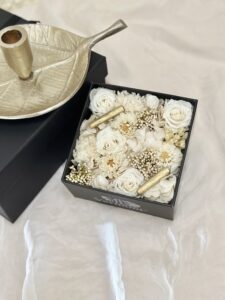 Decorative Uses
1. Interior Design and Home Décor
Preserved carnations are widely used in :
-
Table centre pieces
-
Decorative bowls and vases
-
Shelf styling and wall niches
Their soft texture and structured form make them suitable for both minimalist interiors and more elaborate decorative styles.
2. Floral Arrangements and Posy Designs
In preserved floral arrangements, thet provide :
-
Volume and fullness
-
Visual balance
-
A soft contrast to foliages and textured elements
They are frequently combined with preserved roses, hydrangeas, gypsophila, or eucalyptus to create harmonious compositions.
3. Event and Hospitality Décor
Preserved carnations are increasingly chosen for :
-
Hotels and reception areas
-
Restaurants and lounges
-
Corporate offices and meeting rooms
Their long lifespan makes them ideal for professional spaces where fresh flower replacement is impractical.
4. Wedding and Celebration Styling
Preserved carnations are a popular choice for :
-
Bridal bouquets
-
Table arrangements
-
Floral installations and arches
They offer consistency in colour and form, which is especially valuable for events planned months in advance.
Preserved Carnations in Sustainable Floral Design
As sustainability becomes a priority in design and architecture, preserved flowers are playing a key role in reducing floral waste.
Preserved carnations support :
-
Reduced water consumption
-
Fewer transport emissions
-
Long-term decorative solutions
Their durability aligns perfectly with eco-conscious interior design and responsible sourcing strategies.
Why Preserved Carnations are a favorite among Designers
Florists and designers choose preserved carnations because they offer :
-
Long-lasting visual appeal
-
Excellent colour stability
-
Consistent quality across seasons
-
Easy integration into green walls, arrangements, and décor objects
Their affordability compared to some preserved premium flowers also makes them attractive for large-scale installations.
Commercial and Professional Applications
Preserved carnations are used across multiple industries :
-
Interior design firms
-
Green wall and floral installation companies
-
Retail décor and visual merchandising
-
Corporate branding and office styling
They are particularly effective in projects requiring :
-
Uniformity
-
Predictable aesthetics
-
Long-term display solutions
A Flower that transcends Time
From their Mediterranean origins to their modern role in sustainable design, carnations have proven their enduring appeal.
When preserved, they become long-lasting decorative elements that combine history, symbolism, and contemporary design needs.
Preserved carnations embody elegance without fragility, beauty without urgency, and tradition adapted for modern living.
They can be used in refined floral arrangements, architectural installations, or timeless home décor.
They remain a versatile and meaningful choice in the world of preserved flowers.