Preserved grevillea has become an increasingly popular foliage choice in high-end floral design, interior décor, and architectural greenery projects.
Appreciated for its distinctive leaf shapes, rich texture, and contemporary appeal, it offers a refined alternative to more traditional preserved foliage.
Its natural elegance, combined with excellent longevity and versatility, makes it a preferred option for florists, interior designers, and green wall specialists seeking premium, long-lasting botanical elements.
In this article, we explore preserved grevillea in depth, focusing on its botanical origins, native regions, visual characteristics, and the many ways it can be used in modern floral and interior applications.
 What Is Grevillea?
Grevillea is a large and diverse genus of evergreen plants belonging to the Proteaceae family.
The genus includes over 350 species, ranging from ground covers and shrubs to medium-sized trees.
While the plant is widely known for its spectacular flowers in landscaping, it is the foliage that has gained particular attention in the preserved plant industry.
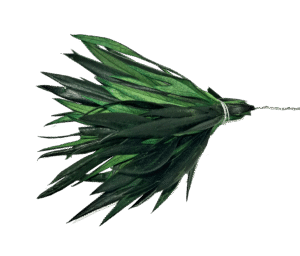
The leaves are highly distinctive, often deeply lobed, serrated, or needle-like depending on the species.
Their sculptural appearance and naturally architectural form make them especially suited to preserved foliage applications where texture and structure are key design elements.
Botanical Origin and Native Regions
Grevillea is native primarily to Australia, where it grows across a wide range of climates and ecosystems.
From coastal regions to inland woodlands and mountainous areas, the plant has adapted to diverse environmental conditions.
Some species are also found in :
-
New Guinea
-
Indonesia
-
New Caledonia
However, Australia remains the heartland of grevillea biodiversity, with Western Australia and eastern Australia hosting the greatest concentration of species.
This broad natural distribution contributes to the resilience, adaptability, and visual diversity of the foliage, traits that translate exceptionally well into preserved botanical products.
 Characteristics
Preserved grevillea is valued for several defining characteristics that set it apart from other preserved foliages :
1. Unique Leaf Structure
The leaves are instantly recognisable.
Depending on the variety, they may be :
-
Finely divided and fern-like
-
Broad and deeply lobed
-
Long, narrow, and spiky
This variation allows designers to select a foliage that suits both soft, organic designs and bold, architectural compositions.
2. Rich Texture and Depth
The textured surface of grevillea leaves adds depth and dimension to arrangements.
When preserved, this texture remains intact, creating a tactile and visually engaging foliage element.
3. Natural Colour Tones
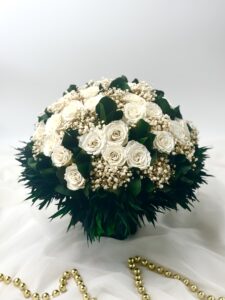
Preserved grevillea is typically available in deep green shades, sometimes with subtle grey or olive undertones.
These natural hues pair beautifully with preserved flowers, mosses, and other preserved foliage, making it a versatile base material.
4. Structural Strength
This foliage is naturally robust, making it ideal for :
-
Vertical installations
-
Floral frameworks
-
Structural greenery designs
- Topiaries
Its firmness helps maintain shape and volume over time, even in large-scale installations.
Why Choose Preserved Grevillea?
Preserved grevillea offers several advantages for professional floral and interior design projects :
-
Long-lasting beauty without the maintenance requirements of fresh foliage
-
Consistent appearance across projects and installations
-
Year-round availability, independent of seasonal constraints
-
Lightweight and practical, ideal for shipping and installation
These qualities make this plant particularly attractive for commercial environments, hospitality spaces, offices, and luxury residential interiors.
Uses in Floral Design
Floral Arrangements and Bouquets
Preserved grevillea is frequently used as a structural foliage in bouquets and floral arrangements.
Its bold leaf shapes provide contrast when paired with preserved roses, hydrangeas, dahlias, or limonium.
It works equally well in minimalist designs and abundant, layered compositions.
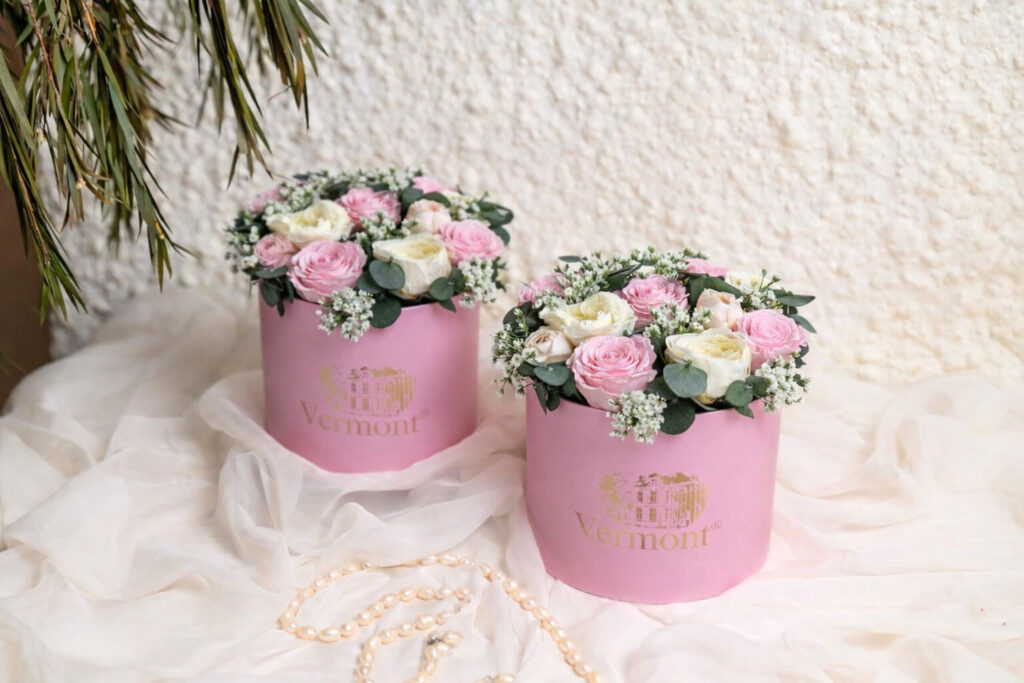
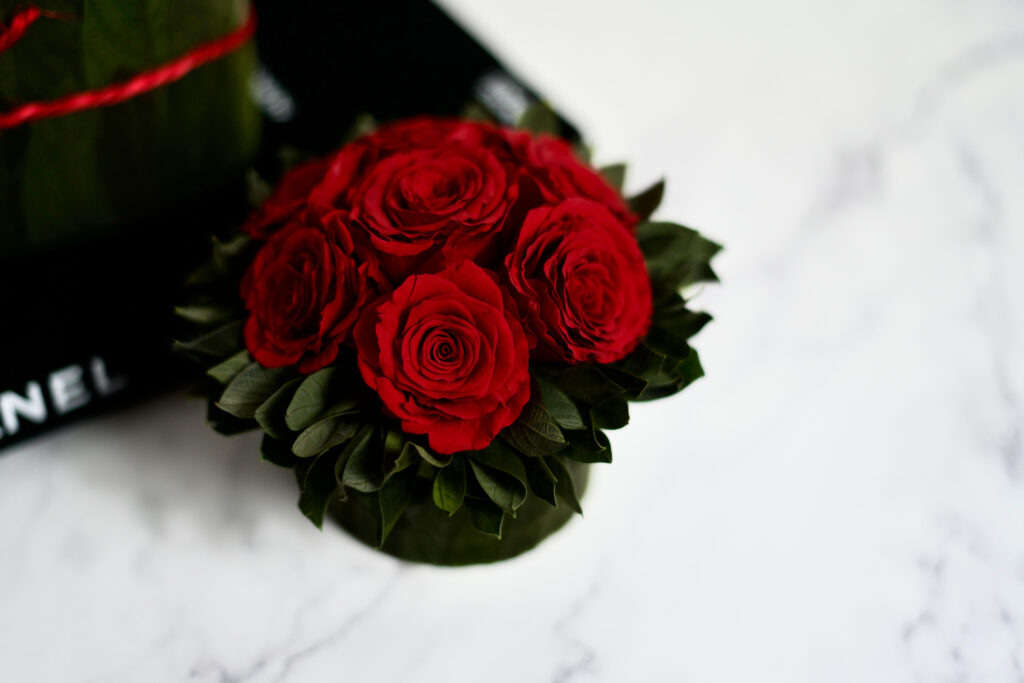
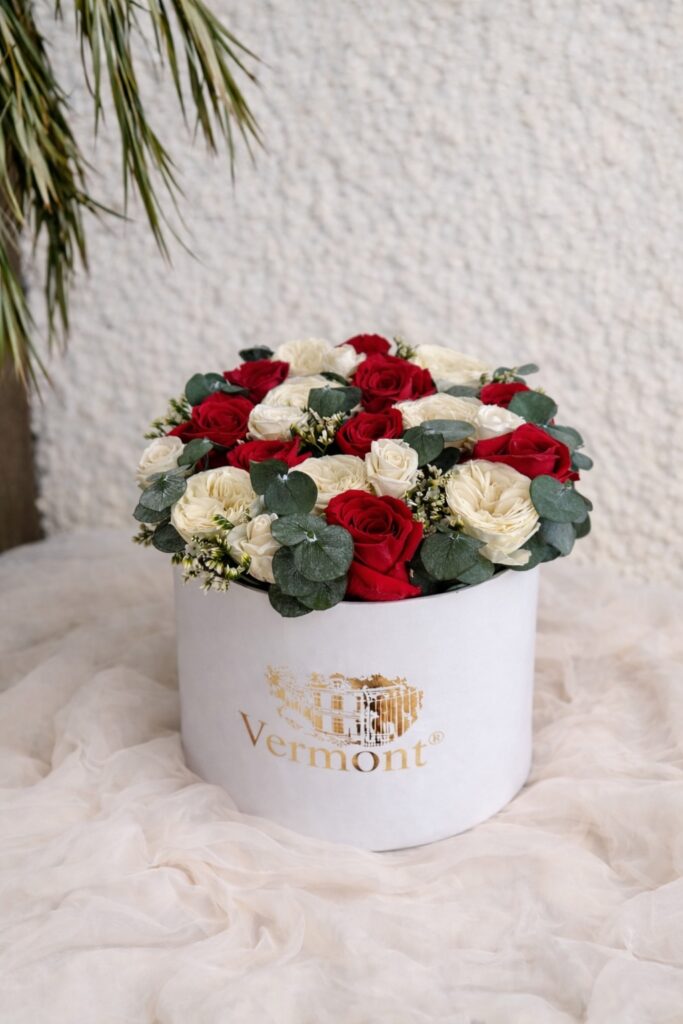
At Vermont Flowers we make grevillea posies to incorporate in our self-standing bouquets, topiaries and bonsais.
Statement Pieces and Centrepieces
Designers often use preserved grevillea to create dramatic centrepieces or statement arrangements.
Its architectural form helps anchor large designs, giving them presence and balance.
Event and Wedding Décor
For weddings and events, preserved grevillea offers a sustainable and practical foliage option that maintains its appearance throughout long setups and multi-day celebrations.
It is especially popular in :
-
Modern weddings
-
Nature-inspired themes
-
Contemporary floral installations
Interior Design and Architecture
Green Walls and Vertical Gardens
Preserved grevillea is well suited for indoor green walls, where texture and visual rhythm are essential.
It pairs beautifully with preserved mosses, ferns, eucalyptus, and other foliages to create dynamic, layered vertical compositions.
Office and Commercial Spaces
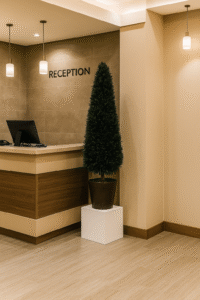
In office environments, it contributes to biophilic design principles by introducing organic shapes and natural textures without ongoing maintenance.
Its clean lines and contemporary aesthetic make it particularly suitable for :
-
Corporate offices
-
Co-working spaces
-
Reception areas
Home Décor and Decorative Panels
Preserved grevillea is increasingly used in :
-
Framed botanical panels
-
Decorative wall features
-
Shelf and console styling
Its sculptural nature adds sophistication to modern interiors while maintaining a natural, calming presence.
 Sustainability and Design Longevity
Like all other preserved flowers and plants, grevillea supports long-term design sustainability by reducing waste associated with short-lived fresh foliage.
Its extended lifespan makes it an excellent choice for designers seeking durability and consistency in their projects.
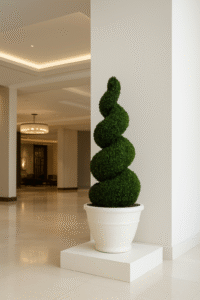
For large-scale installations, hotels, and commercial spaces, this longevity translates into reduced replacement cycles and stable visual quality over time.
Preserved Grevillea Compared to Other Preserved Foliage
When compared to more commonly used preserved foliages such as eucalyptus, ruscus, or leather fern, grevillea stands out for its bold character and architectural form.
While softer leaves bring volume and movement, grevillea introduces structure and definition.
Many designers combine the leaves with :
-
Preserved eucalyptus for contrast
-
Preserved moss for softness
-
Preserved flowers for colour accents
This combination results in visually balanced and sophisticated designs.
Preserved Grevillea Compared to Other Preserved Foliage
When compared to more commonly used preserved foliages such as eucalyptus, ruscus, or leather fern, grevillea stands out for its bold character and architectural form.
While softer foliages bring volume and movement, grevillea introduces structure and definition.
Many designers combine it with :
-
Preserved eucalyptus for contrast
-
Preserved moss for softness
-
Preserved flowers for colour accents
This combination results in visually balanced and sophisticated designs.
A Contemporary Foliage with Timeless Appeal
With its striking leaf forms, rich texture, and adaptability, it has earned its place as a premium botanical material in modern preserved design.
It is used in floral arrangements, green walls and interior décor installations, and brings structure, elegance, and a natural aesthetic that aligns perfectly with contemporary design trends.
Its Australian heritage, botanical diversity, and strong visual identity make it a standout choice for designers seeking something distinctive and enduring.
For professionals looking to elevate their preserved flower and foliage compositions, it offers a refined and reliable solution that continues to inspire creativity across the floral and interior design industries.